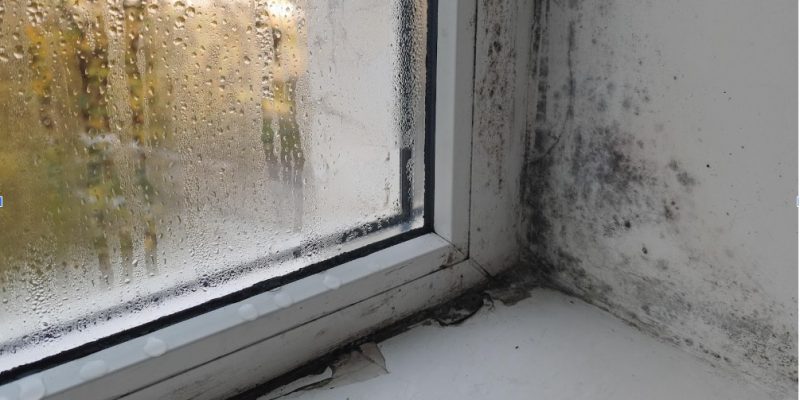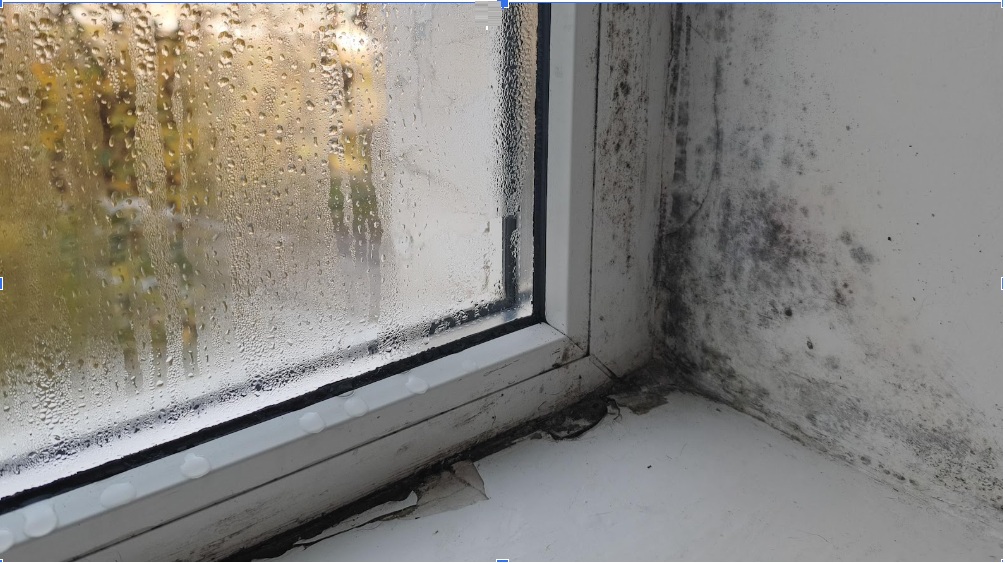
A new Philly landlord recently replaced an entire refrigerator because a tenant reported mold inside.
That’s not being responsible.
That’s reacting without understanding.
Let’s simplify what landlords actually need to know.
What Is Mold?
Mold is a naturally occurring fungus. It’s everywhere. Most rental “mold” complaints in Philly are surface mold which is common. Chronic moisture problems are what matter.
When to Be Concerned
Be concerned when:
The area is large (roughly >10 sq ft)
It keeps returning after cleaning
There’s an active leak that you have not resolved
Drywall is deteriorating
The key question is: Is this a surface cleaning issue or a moisture-source issue?
What To Tell Tenants
Be calm and professional. In essence, you want to inform tenants that you will address it and make sure there isn’t an underlying moisture issue. Then Inspect, Fix any moisture sources and Document
How To Remediate Without Spending Thousands
For small areas:
- Identify and eliminate moisture source
- Clean
- Dry thoroughly
- Improve ventilation or add dehumidification if needed.
- If you’re removing mold, please make sure to wear proper protective gear to keep yourself safe from exposure, including a mask (N95) and gloves before getting close to suspected mold.
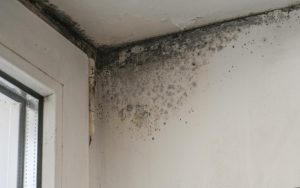
Professional remediation is typically necessary when:
- Framing or drywall is saturated.
- There’s hidden moisture behind walls
Structural damage exists.
Most situations do not require a high priced remediation crew.
What the Law Says
Federal
There is no specific federal mold standard for rentals. Mold becomes a legal issue if it materially affects health and safety.
Philadelphia
In Philadelphia, landlords must comply with the Property Maintenance Code.
The city can cite for visible mold caused by unresolved leaks But small surface mold, when addressed, is generally considered maintenance, not a catastrophic violation.
Being a professional landlord means:
-Responding
-Investigating
-Fixing causes
-Avoiding emotional spending
Throwing money at symptoms without understanding the cause is how small landlords burn cash unnecessarily. Mold is usually a moisture management issue not a crisis.